Is Interval Walking Actually Better Than Steady Walking, or Just Differently Effective
Interval walking research and marketing sometimes frames the method as a strictly superior replacement for steady walking, when the more accurate picture is that the two approaches produce genuinely different physiological adaptations rather than one simply outperforming the other across the board. Here is what the research actually shows for each and how to choose based on your actual goal.

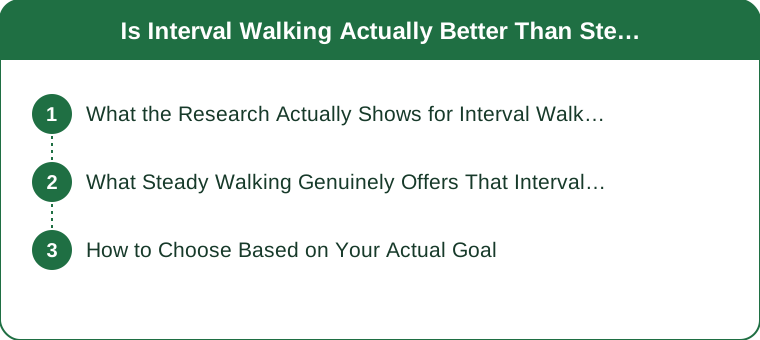
What the Research Actually Shows for Interval Walking Specifically
The genuine strengths: the interval-walking-research-shows-particular-benefit-for-cardiovascular-fitness-and-blood-sugar-markers-specifically-compared-to-steady-walking-at-the-same-total-duration (the interval walking studies, per the japanese-interval-walking-guide logic, showing particular measured benefit for cardiovascular fitness markers and blood sugar regulation specifically, when compared directly against steady walking at the same total session duration — the interval-walking-studies-showing-particular-measured-benefit-for-cardiovascular-fitness-markers-and-blood-sugar-regulation-specifically-when-compared-against-steady-walking-at-the-same-total-duration), and the reframe (the interval walking research support as genuinely strong specifically for these particular outcome measures, not evidence of blanket superiority across every possible walking-related goal).

What Steady Walking Genuinely Offers That Interval Walking Doesn’t Emphasize
The genuine strengths of the alternative: the steady-walking-offers-considerably-lower-barrier-to-entry-and-sustainability-for-many-people-which-matters-enormously-for-long-term-adherence (the steady walking’s considerably lower cognitive and physical barrier to entry, per the walking-for-mental-health-guide logic, mattering enormously for long-term adherence, since a method that’s actually sustained consistently over months typically outperforms a theoretically more effective method that gets abandoned — the steady-walkings-considerably-lower-barrier-to-entry-mattering-enormously-for-long-term-adherence-since-a-consistently-sustained-method-typically-outperforms-a-theoretically-more-effective-one-that-gets-abandoned), the the-steady-walking-also-provides-a-more-consistent-meditative-or-mental-health-benefit-that-the-interval-structure-can-interrupt (the sustained, unbroken rhythm of steady walking supporting a more consistent meditative or mental-clarity benefit that the deliberate pace-switching of interval walking can genuinely interrupt, a real tradeoff on a different outcome dimension, per the walking-meditation-guide logic — the sustained-unbroken-rhythm-of-steady-walking-supporting-a-more-consistent-meditative-benefit-that-the-deliberate-pace-switching-of-interval-walking-can-genuinely-interrupt), and the frame (the genuine steady-walking strengths as a lower barrier to entry that supports better long-term adherence, and a more consistent meditative benefit that interval structure can interrupt — real advantages on dimensions the cardiovascular-focused interval research doesn’t directly measure).
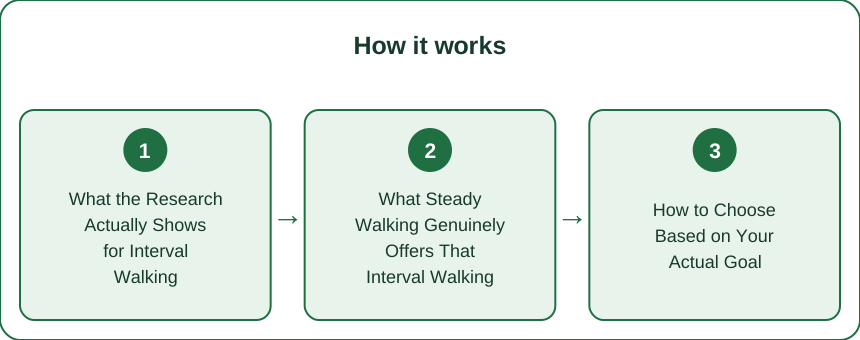
How to Choose Based on Your Actual Goal
The practical decision: the choose-interval-walking-specifically-when-cardiovascular-fitness-or-blood-sugar-regulation-is-the-primary-stated-goal (the choosing interval walking specifically when the primary goal closely matches what its research base actually measures — cardiovascular fitness and blood sugar regulation — rather than defaulting to it as a general upgrade, per the interval-walking-benefits-guide logic — the choosing-interval-walking-specifically-when-the-primary-goal-closely-matches-what-its-research-base-actually-measures-rather-than-defaulting-to-it-as-a-general-upgrade), the the-choose-steady-walking-specifically-when-mental-clarity-stress-relief-or-simple-long-term-consistency-is-the-primary-goal (the choosing steady walking specifically when the primary goal centers on mental clarity, stress relief, or straightforward long-term sustainability, since those are exactly the dimensions where its genuine strengths lie, per the interval-walking-getting-started-guide contrast logic — the choosing-steady-walking-specifically-when-the-primary-goal-centers-on-mental-clarity-stress-relief-or-straightforward-long-term-sustainability-since-those-are-exactly-where-its-genuine-strengths-lie), and the frame (the practical decision as matching the method to the actual primary goal — interval walking for cardiovascular and blood sugar-focused goals specifically, steady walking for mental clarity and long-term consistency-focused goals — rather than assuming either one is a strictly superior default choice regardless of what’s actually being optimized for).
Interval walking research shows particular measured benefit for cardiovascular fitness markers and blood sugar regulation specifically when compared against steady walking at the same total session duration, a genuine and real strength on those specific outcome measures rather than evidence of blanket superiority. Steady walking offers real advantages the interval research doesn’t directly measure — a considerably lower barrier to entry that matters enormously for long-term adherence, since a method actually sustained consistently over months typically outperforms a theoretically more effective one that gets abandoned, and a more consistent meditative or mental-clarity benefit that the deliberate pace-switching of interval walking can genuinely interrupt. The practical choice is matching the method to the actual primary goal: interval walking specifically when cardiovascular fitness or blood sugar regulation is the stated goal, and steady walking specifically when mental clarity, stress relief, or straightforward long-term consistency is the priority.
See It in Motion
Seen here: High Waist Jogger Sweatpants with Pockets — shop it on bubblelime.com
Keep Reading
This article is for general informational purposes only and is not medical advice. Always consult a qualified health professional for guidance specific to you.